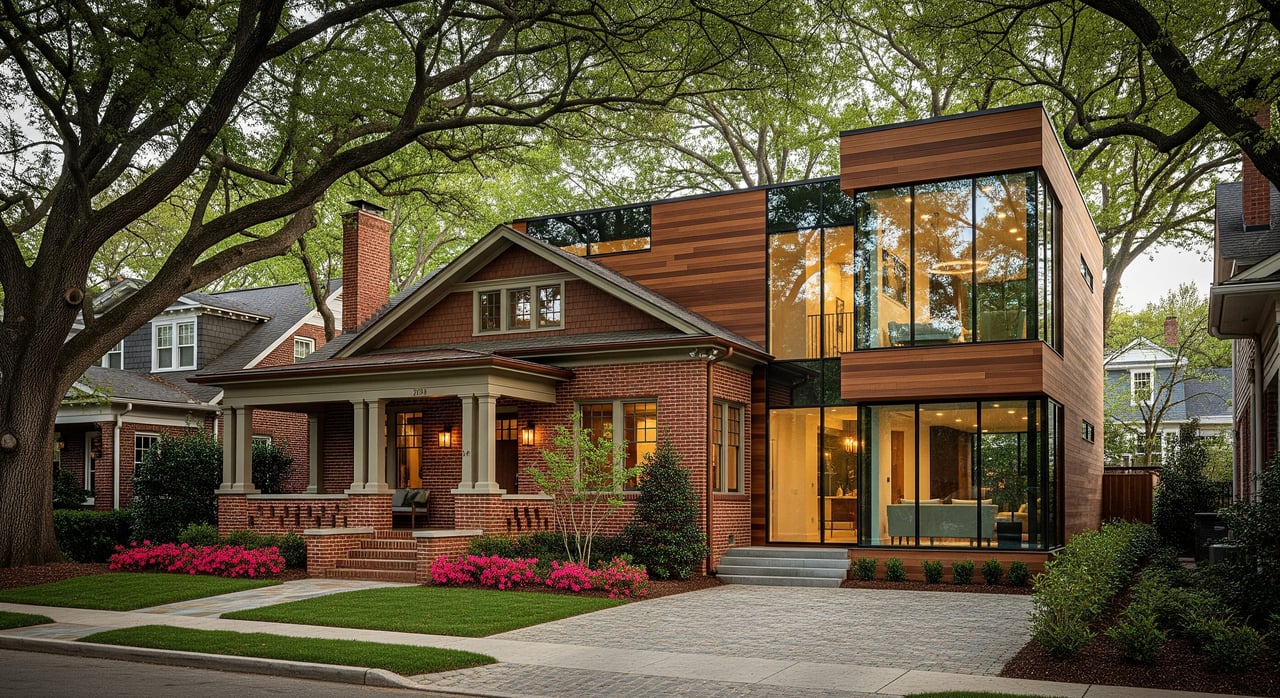
30306 Housing Trends Through a Virginia-Highland Lens
November 6, 2025
November 6, 2025
Are you watching 30306 market headlines and wondering what they actually mean for your Virginia-Highland home or search? You’re not alone. Zip-level data can be noisy when you’re deciding whether to list a classic bungalow, compete for a townhome, or weigh a condo opportunity. In this guide, you’ll learn how to read 30306 signals through a Virginia-Highland lens and turn them into clear next steps for price, prep, and timing. Let’s dive in.
Housing across Atlanta appreciated strongly in 2020–2021, then cooled and normalized as mortgage rates rose in 2022. By mid-2024, price growth slowed and buyers became more rate sensitive. In central intown neighborhoods like Virginia-Highland, walkability, amenities, and proximity to employment continue to drive demand.
To translate the data, focus on a few key indicators:
30306 includes more than Virginia-Highland, so always filter for VaHi when possible. Zip-level averages can mask micro-market dynamics at the street or property-type level.
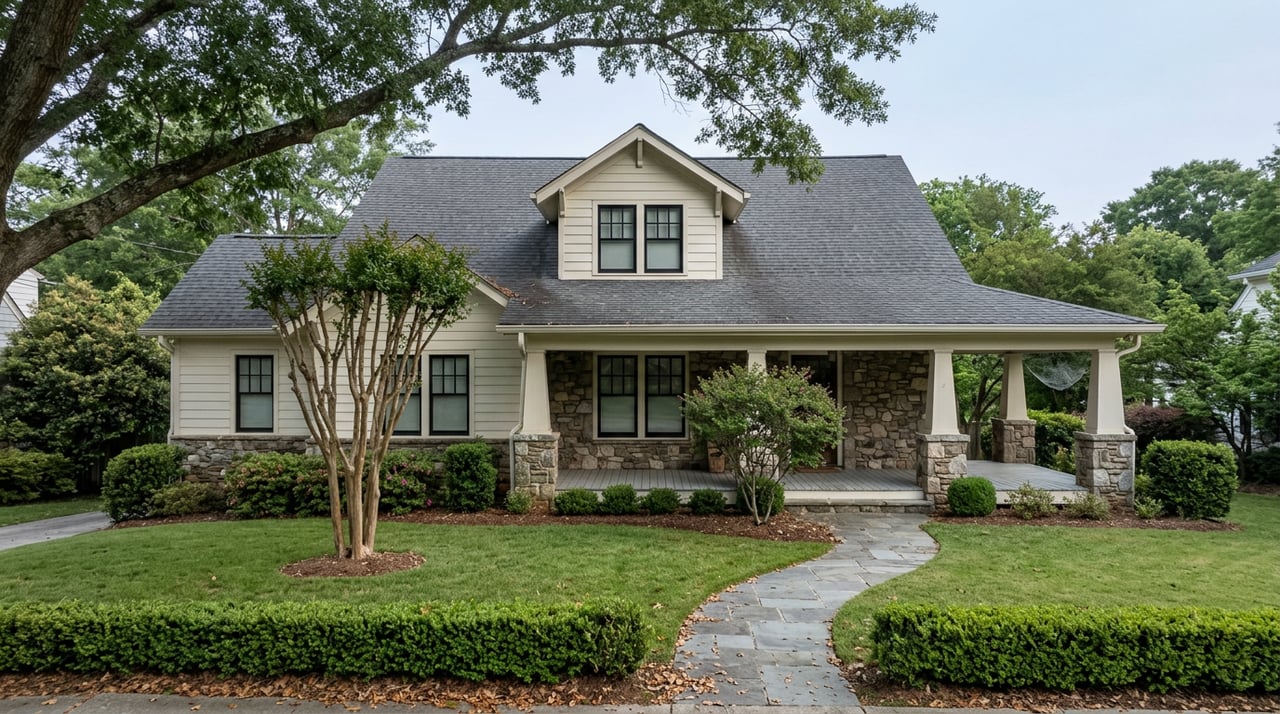
Virginia-Highland is a tightly knit, walkable neighborhood with early 20th-century bungalows, small condo buildings, and newer infill townhomes. Limited historic single-family supply, a high share of owner-occupants, and proximity to local retail and the BeltLine create a distinct pricing and liquidity profile within 30306.
Parts of VaHi also sit within local historic boundaries and design overlays. Exterior changes and additions can require review and permitting, which affects renovation timelines and how buyers and sellers plan improvements.
In strong seller cycles, well-presented bungalows often draw multiple offers and command premium price per square foot. Original architectural features, updated systems, usable outdoor space, and off-street parking tend to drive the highest outcomes.
As buyers become choosier, deferred maintenance stands out. Homes needing major system upgrades or structural work can linger or require discounts. If you plan to list in a cooler phase, small but strategic updates to kitchens, baths, and mechanicals can protect your net.
Infill townhomes appeal to buyers who want a single-family feel with less yard work. Garage parking, efficient layouts, and modern finishes help these homes compete with both condos and bungalows.
In seller cycles, newer townhomes close to amenities can track single-family appreciation. If supply increases or buyers shift toward distinctive historic homes, townhomes may need to compete on finish level and pricing.
Condos serve first-time buyers, downsizers, and some investors. Location, building condition, parking, and HOA health matter as much as the floor plan. Newer or amenity-rich buildings can outperform in strong markets, but condos often lag single-family homes through the cycle.
Condo lending can be tighter than single-family or fee-simple townhomes. Lenders often review project-level details such as owner-occupancy, reserves, and litigation. In cooler phases, buildings with strong financials and clear documentation hold value better.
You can make better decisions by pairing 30306 metrics with VaHi-specific signals. Watch these closely:
Historic overlays and neighborhood design standards shape what you can do outside and how long it takes. Exterior changes may require design review, and timelines can extend. On non-restricted parcels, teardown economics depend on lot size, zoning, and land value. In slower markets, light renovations that shorten time to sale can beat large capital projects that are harder to recoup quickly.
You deserve a plan tailored to your property type, block, and timing. Catherine Newsome pairs a design-forward listing process with data-driven pricing and premium marketing to maximize your outcome. From complimentary staging consultations to professional photography and syndication through a global luxury network, you get a white-glove strategy built for Virginia-Highland.
Ready to talk timing and value? Request Your Free Home Valuation with Unknown Company.
November 19, 2026

November 12, 2026
November 5, 2026
October 29, 2026
October 22, 2026
October 15, 2026
October 8, 2026
October 1, 2026
September 24, 2026
Whether you're buying or selling, Catherine Newsome is committed to guiding you through every step of the real estate process with integrity, passion, and personalized service. Let her help you find your dream home or sell your property for the best price—your goals are her priority!