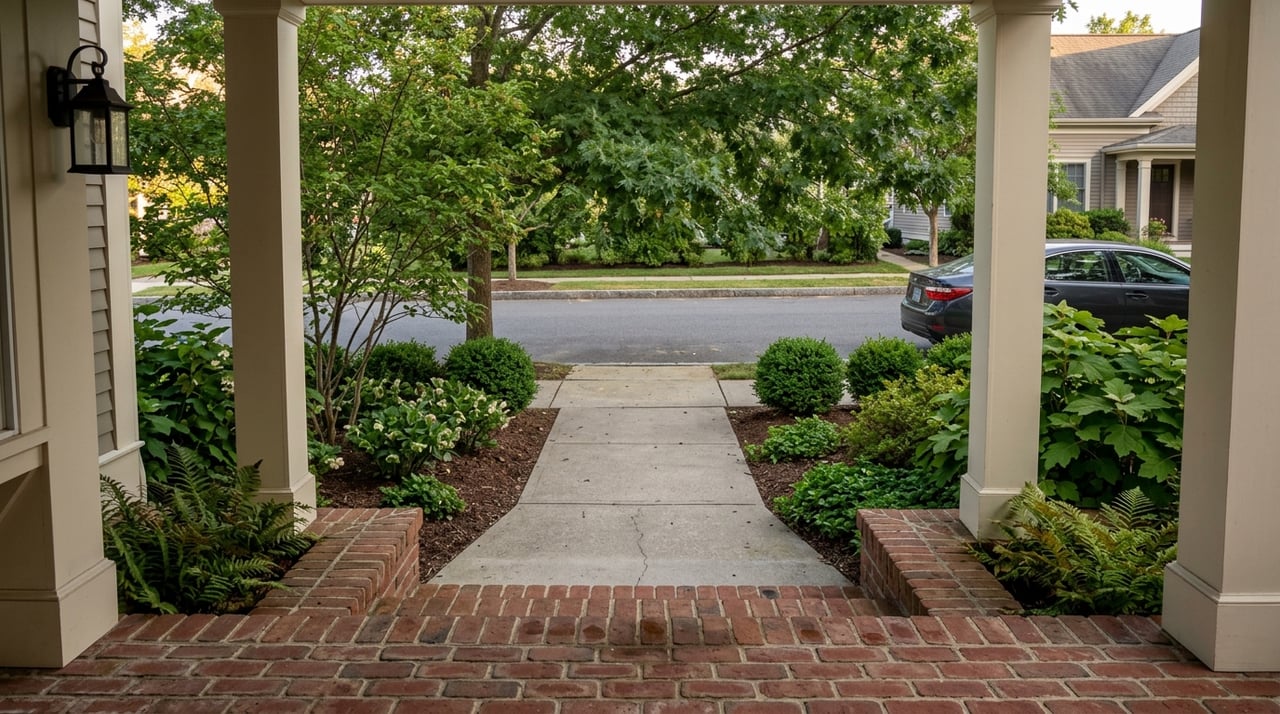
Exploring Chamblee’s Walkable Village-Style Districts
July 16, 2026
July 16, 2026
Curious what makes Chamblee feel so easy to explore on foot? The answer is not one single downtown strip. Instead, Chamblee offers a handful of walkable, village-style districts that each bring a different rhythm, from antique browsing and restaurant stops to transit access and growing trail connections. If you are thinking about a move, planning a visit, or simply trying to understand the city’s layout, this guide will help you see how Chamblee really works on the ground. Let’s dive in.
Chamblee is best understood as a series of connected pockets rather than one continuous pedestrian core. City planning documents point to several distinct nodes, including the Historic City Core, the Mid-City area around Chamblee Station, and the International Village along Buford Highway.
That matters because your day-to-day experience can shift quickly from one area to the next. In one pocket, you may find a more traditional main-street feel. A few minutes away, the setting can feel more transit-oriented, mixed-use, and fast-moving.
The Historic City Core runs along Peachtree Road between Pierce Drive and North Peachtree Road, according to the city’s LCI update. Planning guidance for this area calls for a somewhat lower-scale, more traditional character than the denser transit-oriented zone nearby.
This is also where many people picture Chamblee’s classic small-town side. The downtown antique area, often called Antique Row, is described by the Chamblee Chamber as walkable to other antique shops and restaurants, which gives it an easy browse-and-stroll feel.
If you enjoy a setting where you can park once and wander a bit, this part of Chamblee stands out. It feels less like a commuter hub and more like a local district shaped by storefronts, casual outings, and a slower pace.
Around Chamblee Station, the atmosphere changes. MARTA describes the station area as a former industrial district that has been redeveloped into a pedestrian-oriented mixed-use community, and it places the station between the Mid-City District and the International Village.
For buyers and relocating households, this area often stands out for convenience. Chamblee Station is on the Gold Line, and MARTA reports weekday peak train service about every 10 minutes, about every 12 minutes midday, and about every 20 minutes during off-peak periods and on weekends.
The station also includes 1,149 parking spaces, which adds flexibility for people who want rail access without relying on a fully car-free lifestyle. This is a good example of why Chamblee feels like an urban-suburban hybrid rather than one thing only.
The city’s planning framework supports more contemporary and denser mixed-use development in the Mid-City transit-oriented district. That creates a different experience from the Historic City Core, where the goal is a more traditional form and more open space.
In practical terms, you may notice a more active, connected, and modern feel near the station. It is one of the clearest examples of Chamblee’s village-style growth pattern taking shape around transit.
Another major piece of Chamblee’s identity is its International Village and Buford Highway corridor. The city’s 2024 comprehensive plan identifies Chamblee as home to the International Corridor and the Atlanta Chinatown Mall.
This district adds a different kind of energy to the city. The Chamblee Chamber notes that Chinatown Mall includes many Asian businesses and a renovated food court, while the city has described the dining scene as stretching from Buford Highway through the center of town and down Peachtree Boulevard.
If you are drawn to variety, dining, and a more active commercial setting, this pocket may leave the strongest impression. Compared with the Historic City Core, it tends to feel busier, more international, and more food-focused.
A walkable district is not only about sidewalks. It is also about having places you actually want to go within a short distance, and Chamblee’s restaurant clusters help create that sense of movement and activity.
In Chamblee, the food scene helps tie together several of the city’s most recognizable destinations. That includes downtown, Chinatown Mall, and stretches of Buford Highway and Peachtree Boulevard.
Chamblee’s walkability is not limited to shops and transit. The city’s parks master plan says Chamblee has ten park locations covering about 102.11 acres, with Keswick Park identified as the city’s largest park and the one with the broadest range of amenities.
The trail network is also a key part of the story. Chamblee’s trail master plan estimates a 24.7-mile trail system, says 81% of parcels are within a 10-minute walk of the trail system, and notes that 1.3 miles were complete by 2024.
That tells you something important about the city’s direction. Some of Chamblee’s walkable experience exists today in clear pockets, while other parts are being strengthened through planned trail links and safer connections.
The trail plan shows how the city is trying to stitch together places that might otherwise feel separate. In the Westside Connector zone, the plan links destinations such as Keswick Park, Blackburn Park, Village Park, MARTA, Clairmont Park, Canfield Park, Chamblee Town Center, and DeKalb-Peachtree Airport.
The same plan also points out barriers created by Peachtree Boulevard, the railroad, and MARTA itself. So while Chamblee already has village-style nodes, part of the long-term goal is to make those places feel more continuous and easier to reach on foot or by bike.
Arrow Creek Park is another useful example. The trail master plan places it within a greenway connection reaching Arrow Creek Community Center, Dresden Park, and Buford Highway, which shows how outdoor spaces can support everyday movement across different parts of the city.
One of the most appealing things about Chamblee is that it does not read as fully urban or fully suburban. It blends both.
The city’s zoning map includes categories such as Village Commercial, Village Residential, Corridor Village Commercial, Mixed Use - Business Center, and Transit Oriented Development. Those labels reflect a built pattern where compact commercial pockets sit alongside lower-density residential areas.
That contrast explains why one part of Chamblee may feel lively and mixed-use, while another feels quieter and more residential just a few blocks away. For many buyers, that balance is part of the draw.
If you are buying in Chamblee, it helps to think beyond the idea of a single downtown. Your lifestyle may align more closely with one pocket than another, depending on whether you value transit access, restaurant density, a traditional main-street feel, or proximity to parks and trails.
If you are selling, understanding these micro-locations matters too. A home near the Historic City Core may appeal for one set of reasons, while a property with easy access to Chamblee Station or Buford Highway amenities may tell a different story.
This is where neighborhood context becomes especially important. In a market shaped by distinct districts rather than one blanket identity, strong positioning can help buyers understand the lifestyle your property offers.
Here is the simplest way to think about Chamblee’s village-style layout:
Taken together, these areas make Chamblee feel layered and flexible. You are not choosing between city life and suburban comfort in a strict sense. In many parts of Chamblee, you get a blend of both.
If you are considering a move in Chamblee or elsewhere in metro Atlanta, working with an advisor who can explain these neighborhood patterns clearly can make your decision much easier. To discuss buying, selling, or relocating with a thoughtful, high-touch approach, connect with Catherine Newsome.
November 19, 2026

November 12, 2026
November 5, 2026
October 29, 2026
October 22, 2026
October 15, 2026
October 8, 2026
October 1, 2026
September 24, 2026
Whether you're buying or selling, Catherine Newsome is committed to guiding you through every step of the real estate process with integrity, passion, and personalized service. Let her help you find your dream home or sell your property for the best price—your goals are her priority!