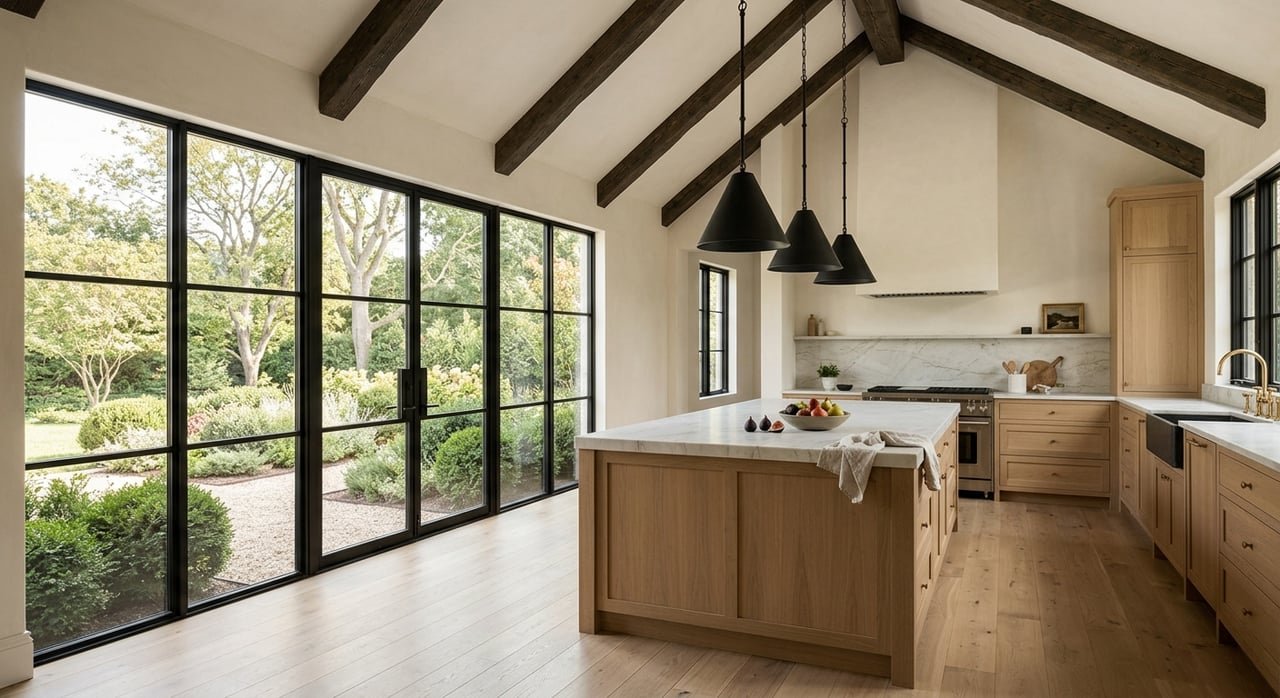
Historic Meets Suburban: Living In Roswell
May 21, 2026
May 21, 2026
Looking for a place that blends historic charm with everyday suburban ease? Roswell stands out because it does exactly that. If you want a city with a preserved downtown, access to the Chattahoochee River, and established neighborhoods that feel rooted rather than brand new, Roswell deserves a closer look. Here’s what living in Roswell can feel like, and why so many buyers are drawn to its balance of character, convenience, and lifestyle. Let’s dive in.
Roswell has deep roots. The city says Roswell King founded it in 1839, and it officially became a city in 1854. That history still shapes how Roswell looks and feels today.
At the same time, Roswell is not frozen in the past. The Census Bureau estimated the 2024 population at 92,227, and the city’s 2045 growth plan focuses on key economic areas while protecting the character of established neighborhoods. For you as a buyer or seller, that combination matters because it points to a city trying to grow thoughtfully.
One of Roswell’s most defining features is its historic core. The city’s Historic District spans 640 acres and includes preservation design review, with a preservation-focused master plan and design standards that help guide change over time.
That means the historic area is more than a marketing phrase. It is an actively preserved part of the city with real attention to maintaining its built character. If you are drawn to places with a strong sense of identity, this is a big part of Roswell’s appeal.
Roswell’s historic house museums offer some of the clearest clues to the city’s architectural story. Bulloch Hall was built in the Greek Revival style in 1839, Smith Plantation dates to 1845, Barrington Hall sits on seven acres in downtown Historic Roswell, and Mimosa Hall is one of the few surviving antebellum homes in the Atlanta metro area, according to the city.
These landmarks help explain why Historic Roswell feels distinct. Near the core, you will notice a sense of age, proportion, and design continuity that reflects the city’s mill-town-era origins and preservation priorities.
Roswell’s planning documents make it clear that preservation remains a civic priority. That is important if you are considering a home near downtown and want to understand why the area has such a cohesive look and long-term appeal.
It also helps frame Roswell as a market where character can carry real weight. For buyers, that can mean a more specific and memorable housing environment. For sellers, it can mean your home’s setting and design context may be part of what makes it stand out.
Roswell’s identity is closely tied to the Chattahoochee River. The city says the river is important to both Roswell’s history and future, and planning documents show continued investment in riverfront access and connectivity.
If your ideal routine includes time outside, Roswell offers a strong foundation for that. The city maintains more than 900 acres of parkland, 19 parks, three dog parks, and an active trail system, with ongoing work focused on trail connectivity.
Vickery Creek, also known as Old Mill Park, is one of Roswell’s signature outdoor destinations. The park includes hiking and walking trails, a covered bridge, 1850s mill ruins, and a waterfall overlook.
The trail system remains open, although the city noted that direct water access at the waterfall was suspended on August 16, 2024. Even with that limitation, Vickery Creek remains one of the clearest examples of how Roswell combines natural scenery with historic features.
Roswell is still investing in connectivity near the river. In January 2026, the National Park Service approved Roswell Gateway and Vickery Creek Unit access improvements, signaling continued momentum around access and movement in this part of the city.
For residents, that kind of investment supports the everyday lifestyle side of location. It is not only about scenic places to visit once in a while. It is also about having trails, parks, and river-adjacent spaces woven into your weekly routine.
Roswell’s historic setting is only part of the story. Downtown also has a lively social rhythm, especially around Canton Street.
Visit Roswell, the city’s official destination marketing organization, shows Canton Street as a concentration of restaurants and bars with a wide range of options. The area includes everything from steakhouse and brewery concepts to Cajun, Irish pub, burger-and-tequila, and Indian dining.
Roswell also has recurring events that reinforce downtown’s community energy. Alive in Roswell is a free monthly festival held on the third Thursday from April through October on Historic Canton Street and the Roswell Antique and Interiors Lot.
Riverside Sounds is a free outdoor concert series held on the fourth Saturday from April through September at Riverside Park. Roswell Roots adds another layer to the city’s calendar with Black History Month programming each February.
For you, that means Roswell can offer more than a pretty downtown streetscape. It also offers a pattern of regular public events that can make the city feel active, social, and connected throughout much of the year.
Official sources do not break Roswell into a complete neighborhood-by-neighborhood housing map, but they do support a helpful way to think about the city. Roswell can broadly be understood as having a preserved historic core, river-adjacent pockets tied to trails and parks, and a broader fabric of established neighborhoods.
That distinction matters when you begin your home search. It helps explain why different parts of Roswell can offer very different living experiences while still feeling part of the same city.
Closer to the historic core, the strongest architectural cues are tied to Roswell’s past. City sources support language around Greek Revival, antebellum, and mill-town-era architecture, which helps frame the area as one defined by character and preservation.
If you love homes with a sense of history, mature surroundings, and a more distinct visual identity, this part of Roswell may be especially appealing. The historic setting often becomes part of the lifestyle, not just the backdrop.
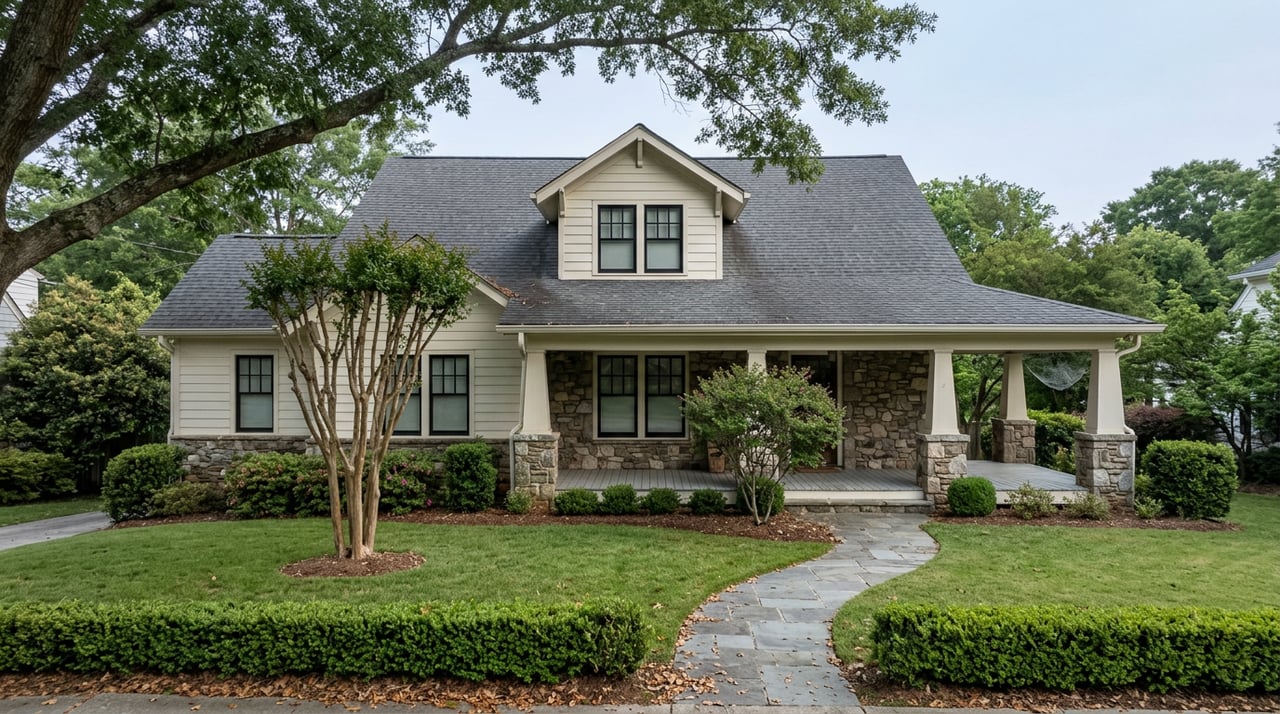
Elsewhere in Roswell, the housing pattern reads more like established suburbia. The city’s planning framework emphasizes protecting established neighborhoods, which supports the idea of long-term residential stability across much of the community.
For many buyers, this is where Roswell’s balance becomes especially attractive. You can enjoy a city known for history and outdoor access while still finding the comfort and familiarity of a more conventional suburban setting.
Roswell appeals to buyers who do not want to choose between charm and practicality. You can have a preserved downtown, strong park access, and an active dining and events scene, while still living in a city shaped by established residential areas.
That blend gives Roswell broad appeal. Some buyers are drawn to the historic identity. Others care most about trails, parks, and river access. Still others simply want a stable suburban environment with more personality than a newer planned community.
If you own a home in Roswell, your property may benefit from the city’s layered identity. Buyers are often responding not just to square footage or finishes, but also to the setting, the city’s historic reputation, and the lifestyle connected to parks, trails, and downtown activity.
That is why presentation and positioning matter. In a market where character and context can influence buyer interest, a thoughtful strategy can help tell the full story of your home and its location.
Whether you are buying a home with architectural presence or preparing to sell a property in one of Roswell’s established residential areas, local context matters. If you want tailored guidance on navigating Roswell with a design-aware, results-driven approach, connect with Catherine Newsome.
November 19, 2026

November 12, 2026
November 5, 2026
October 29, 2026
October 22, 2026
October 15, 2026
October 8, 2026
October 1, 2026
September 24, 2026
Whether you're buying or selling, Catherine Newsome is committed to guiding you through every step of the real estate process with integrity, passion, and personalized service. Let her help you find your dream home or sell your property for the best price—your goals are her priority!