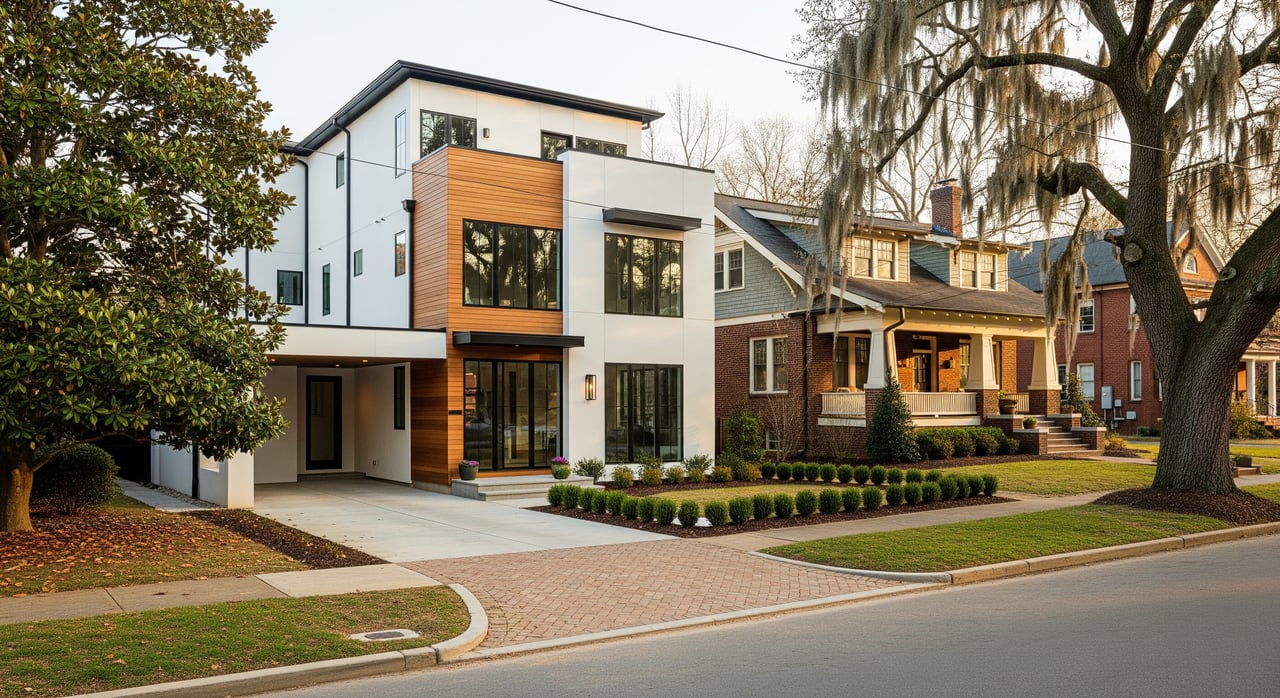
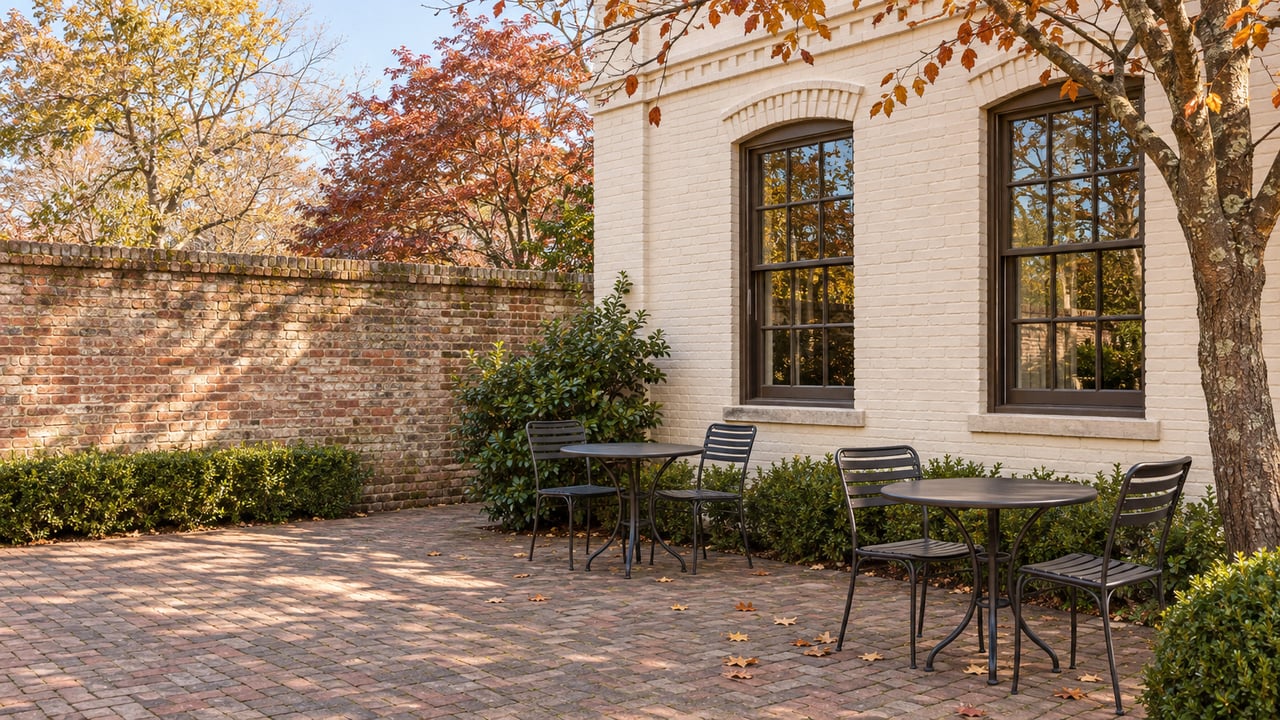
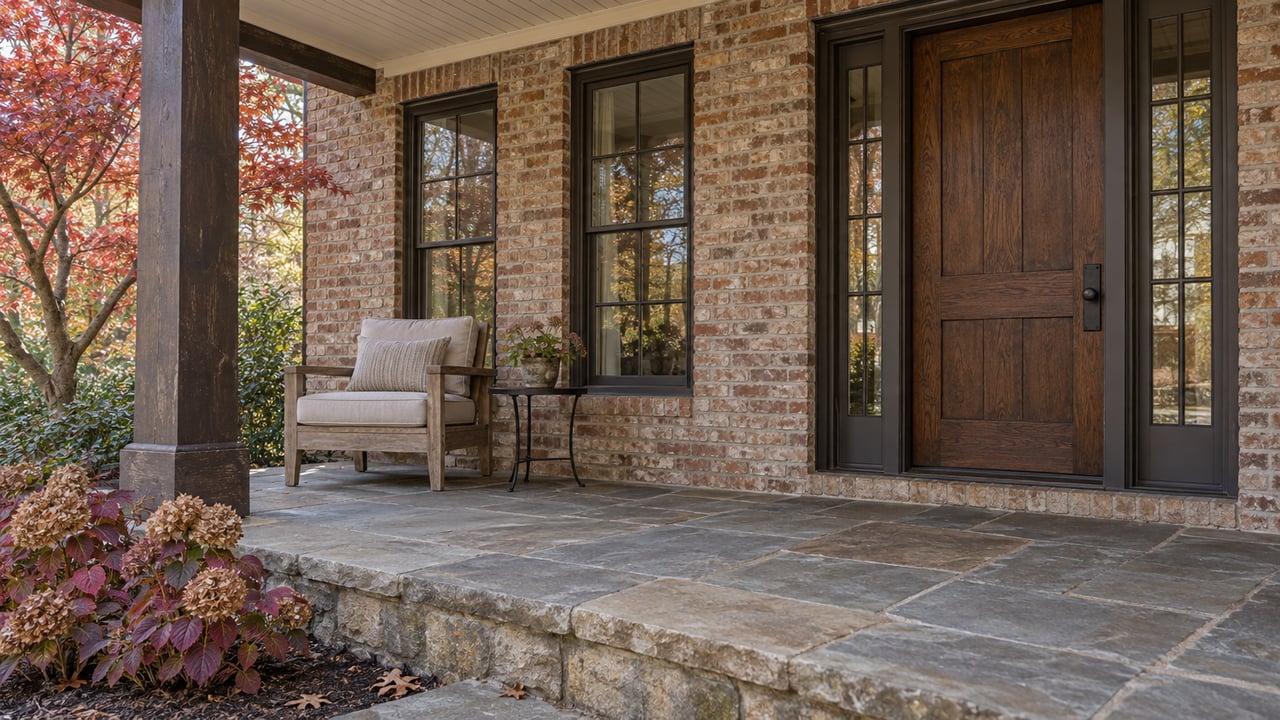
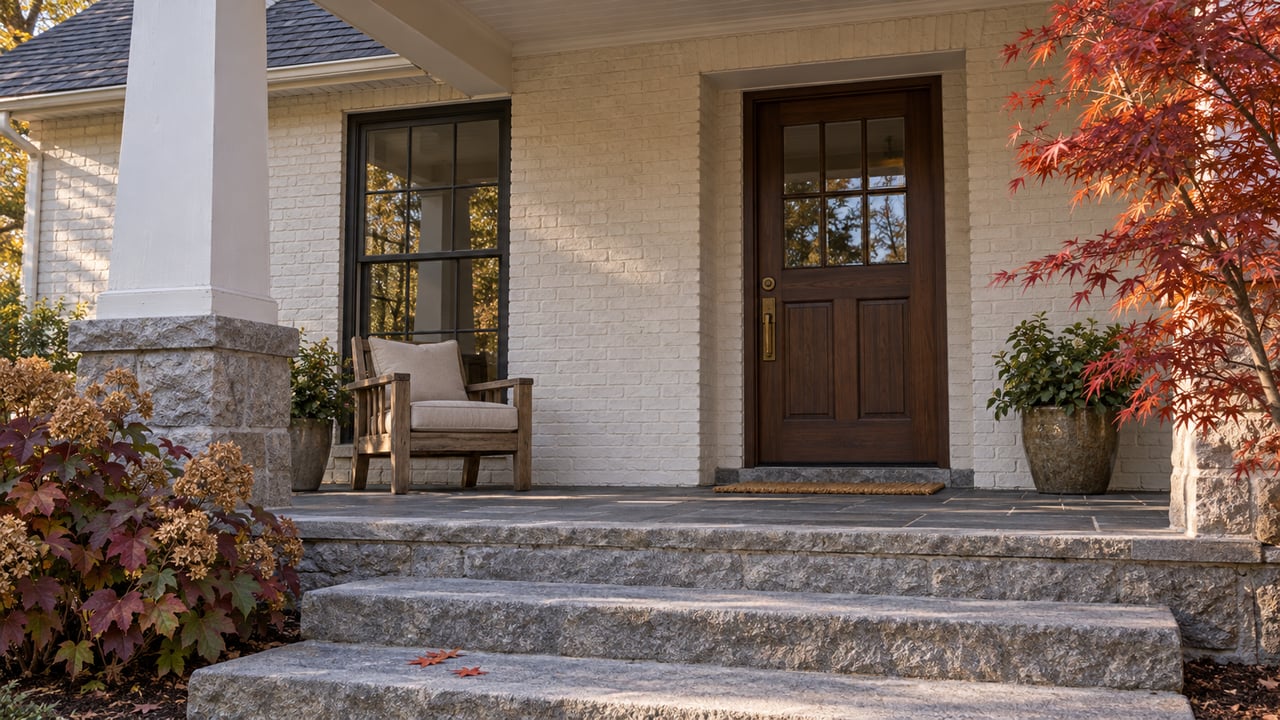
Trying to choose between a brand-new home and a resale in Chamblee? You are not alone. With new townhomes rising near transit and charming mid-century homes across established streets, both options offer real value. In this guide, you will see how costs, timelines, HOA rules, inspections, and warranties differ so you can match your choice to your budget and lifestyle. Let’s dive in.
Chamblee market at a glance
Chamblee sits in DeKalb County with quick access to central Atlanta, MARTA, and active commercial corridors like Buford Highway and the Peachtree Industrial and Chamblee–Dunwoody area. These location perks keep demand steady for both buyers and investors. Recent development has focused on infill townhomes, small-lot single-family builds, and mixed-use redevelopment near downtown.
At the same time, older single-family neighborhoods and mid-century bungalows make up a large share of resale options. Inventory shifts seasonally. When resale listings tighten, you will often see more spec homes and small new communities come to market.
New construction: what to expect
Product types you will see
- Attached townhomes and stacked townhouses in infill locations
- Small subdivisions of single-family homes on narrower lots
- Mixed-use condo or apartment-to-condo projects near transit and commercial hubs
- Spec homes built and marketed by local builders
Costs and financing
- Purchase price: New builds typically carry a premium for modern layouts, current construction costs, and energy-efficient systems.
- Total ownership: You may see lower immediate maintenance and potentially lower utilities if the home meets current energy codes.
- Financing: Builders may use construction-to-permanent or stand-alone construction loans. Appraisals often occur near completion and can be challenging if comparable sales are limited.
- Upfront funds: Expect builder deposits, possible draws during construction, and appraisal-based holdbacks in some cases.
Incentives you can negotiate
Builders often advertise limited-time incentives. You may see upgrade credits, closing-cost help, rate buydowns, or appliance packages. These can meaningfully reduce your net cost if negotiated well.
Timelines and inspections
- Completion: Spec homes can close quickly once they receive a certificate of occupancy. Larger projects or custom builds can take months to a year or more.
- Inspections: Plan for builder walkthroughs at pre-drywall and pre-closing. It is still wise to hire an independent inspector experienced with new construction. Expect punch lists to be addressed before closing.
Warranties and maintenance
Most reputable builders offer a tiered warranty structure, commonly with one year for workmanship, two years for systems, and up to ten years for major structural items. Read the terms carefully so you understand what is covered and how to file a claim. Maintenance is usually lighter at first, though landscaping establishment and small adjustments can arise.
HOA considerations
New communities frequently have mandatory HOAs. Early dues can appear modest but may rise as reserve funds grow. Covenants often include architectural controls and rental rules. If you are considering a townhome or condo, expect higher monthly dues that cover exterior maintenance, common insurance, and shared amenities.
Resale homes: what to expect
Product types you will see
- Older single-family homes like bungalows, ranches, and mid-century designs
- Established brick homes on larger lots in nearby neighborhoods
- Previously built townhomes and condos from earlier phases
Costs and financing
- Purchase price: Resales are driven by condition, lot size, and comparable sales history.
- Total ownership: You might secure a lower price, but plan for near-term repairs, system replacements, or remodeling depending on age and condition.
- Financing: Most buyers use standard conventional, FHA, or VA mortgages with typical 30 to 45 day closings.
Timelines and inspections
- Speed: Resales tend to close faster, often within 30 to 60 days.
- Inspections: A full inspection is standard. Use the findings to prioritize repairs, request credits, or adjust price.
HOA considerations
Established HOAs usually have predictable dues and more mature reserve funds. Review budgets, reserve studies, and meeting minutes to understand long-term planning and any pending assessments.
Total cost of ownership in Chamblee
Your monthly and annual costs go beyond the purchase price. Compare both options using the same checklist:
- Property taxes: New construction is reassessed at completion, which can increase the tax bill. If you plan to live in the home, check homestead exemption requirements and deadlines with DeKalb County.
- Insurance: Newer systems and safety features can lower premiums. Older systems may increase costs.
- Utilities: Energy codes in new builds can reduce bills. Older homes vary based on updates.
- HOA dues: Townhomes and condos generally have higher dues due to exterior maintenance and amenities. New HOAs may start low and change as reserves build.
- Maintenance: New homes usually have lower immediate maintenance. Older homes may need capital improvements like roofs, HVAC, or plumbing updates.
Permits, appraisals, and local checks
- Jurisdiction: Confirm whether your property falls under City of Chamblee or DeKalb County for permitting. This affects timelines and required inspections.
- Prior work: For resales, request permits and final approvals for any past renovations.
- Appraisals: New construction appraisals rely on recent comparable sales. In fast-changing infill areas, limited comps can affect value opinions and financing.
Which is right for you
Use this quick framework to align your choice with your priorities:
- Choose new construction if you want modern layouts, energy efficiency, and lower immediate maintenance, and you can accommodate construction timelines.
- Choose resale if you prefer established neighborhoods, want a larger lot at a comparable price, or need a faster and more predictable closing.
- Need to move quickly: Target resales or completed spec homes.
- Sensitive to dues: Consider established HOAs with documented reserves or non-HOA neighborhoods, and review new HOA budgets closely.
Smart steps before you buy
- Verify permits and inspections: Confirm that new builds and past renovations were properly permitted and closed out.
- Review HOA documents: Read covenants, bylaws, budgets, reserve studies, meeting minutes, and any notices of pending assessments or litigation.
- Confirm taxes and exemptions: Ask about reassessment timing and homestead options with DeKalb County.
- Check school boundaries: School zones can change over time. Confirm current assignments directly with the district.
- Hire specialized inspectors: Use inspectors experienced in new construction punch lists or older home systems, as appropriate.
- Vet the builder: Review licensing and complaint history through state resources and consumer reports.
How I help you compare options in Chamblee
You deserve advice that blends market knowledge with design-savvy perspective. I help you:
- Identify the right product type and neighborhood based on commute, transit access, lot size, and HOA preferences.
- Compare true total cost of ownership including taxes, insurance, utilities, dues, and maintenance reserves.
- Negotiate builder incentives, upgrades, and closing-cost support for new construction, or repair credits and pricing for resales.
- Review builder contracts, HOA documents, and inspection findings so you can move forward with confidence.
- Coordinate a smooth closing timeline that matches your move and financing plan.
If you want a clear, side-by-side game plan for Chamblee new construction versus resale, let’s talk. Reach out to Catherine Newsome to get started today.
FAQs
How long does new construction take in Chamblee?
- Tract or townhome builds often take a few months to about a year, custom homes longer, and completed spec homes can close the fastest once inspections and approvals are complete.
Are builder warranties standard on new homes?
- Many builders offer a one-year workmanship, two-year systems, and up to ten-year structural framework, but you should read exact terms, exclusions, and claim procedures before you sign.
Will property taxes be higher on a new build?
- New construction is commonly reassessed at completion, which may increase taxes, and you should confirm homestead exemption eligibility and deadlines with DeKalb County.
Are HOA dues lower in new communities?
- New HOAs sometimes start with modest dues but may increase as reserves are built, so review the budget, reserve study, and meeting minutes for a realistic picture.
Should I hire an inspector for a brand-new home?
- Yes, an independent inspector familiar with new construction can identify defects or incomplete items during pre-drywall and pre-closing walkthroughs so they are addressed before you move in.