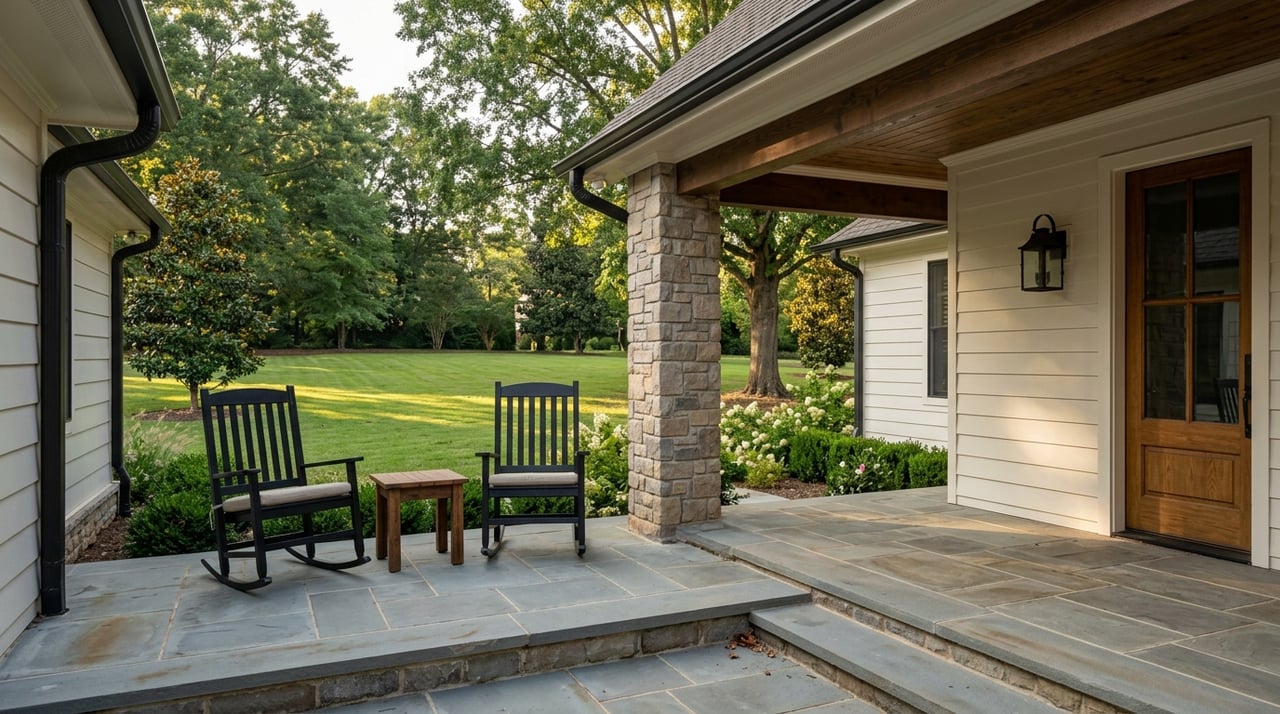
Pricing And Presenting Acreage Homes In Milton
June 11, 2026
June 11, 2026
If you own an acreage home in Milton, you already know it does not compete like a typical subdivision listing. Buyers here are not just weighing square footage and finishes. They are also judging the land, the setting, the access, and how the property supports Milton’s rural and equestrian identity. In this guide, you’ll learn how to think about pricing, presentation, and seller prep so your property enters the market with a clear strategy. Let’s dive in.
Milton’s identity shapes how buyers see large properties. The city describes large lots as properties of 3 acres or more, and it highlights a setting where homes are set back from the road, horses may be in pastures, and tree-lined frontage supports the area’s rural heritage. That means buyers often view the parcel itself as part of the home’s value, not just the backdrop.
Milton also points to its strong equestrian community, with horse farms, pastures, and an equestrian lifestyle helping define the area. In practical terms, features like fencing, barns, gates, and driveway approach can carry real weight in a buyer’s first impression. These are not minor details in Milton. They are often part of the property story.
The city’s trail standards reinforce that point. Milton’s gravel roads and trail network are tied to bicycle, pedestrian, and equestrian use, with standards that call for equestrian-style fencing and rustic visual elements. For sellers, that means the way your property presents from the street matters in a very local, very specific way.
Milton is clearly a premium market, but broad citywide averages only tell part of the story. Recent reporting puts Milton’s average home value around $951,308, median sale price around $936,000 to $1.1 million depending on source and timeframe, and median listing price around $1.38 million. Those figures are useful for context, but they should not be used as a shortcut for pricing acreage homes.
That is because acreage properties are rarely interchangeable. A home on a large, usable parcel with mature trees, a barn, and a strong approach from the road should not be measured against standard subdivision averages. The better method is to compare properties with similar land characteristics, access, improvements, and overall utility.
Local feature trend data offers another clue. Redfin’s Spring 2026 home trends for Milton identified barns, 1-acre lots, and mature trees among the top high-value features by sale-to-list ratio. Even though every sale is unique, that trend supports what many sellers already suspect: in Milton, outdoor setting and land use are central to value.
If your property includes a barn, pasture, workshop, pond, creek, or room for expansion, those features should be part of the pricing conversation. The same is true for privacy, tree canopy, and the way the home sits on the land. A pricing strategy that ignores these details can miss the mark in either direction.
Before you list, it helps to organize the property information buyers are likely to ask about. Fulton County assesses property annually at fair market value, and the Tax Commissioner uses the assessed value and exemption status supplied by the Board of Assessors to calculate tax bills. On some properties, that basic tax picture may not tell the whole story.
Georgia’s conservation use program can allow qualifying land to be assessed at current use value rather than fair market value, and Milton notes that Fulton County manages the CUVA program for qualifying properties. If your property has conservation-use status or related paperwork, gather it before your home goes live. Buyers looking at acreage often want clarity on taxes, land classification, and any ongoing obligations.
Access and utility setup can influence value more than many sellers expect. Milton’s code requires lots to have direct access to an abutting public street or to a street within the subdivision, while certain properties may use approved private-drive access. For lots without public sewer or public water, Fulton County Health Department requirements also come into play.
If your home has septic, a well, private-drive access, or other site-specific features, buyers will want those details quickly. The easier it is to explain how the property functions, the easier it is for buyers to evaluate its value with confidence.
For acreage homes, presentation starts outside. In Milton, buyers often form an opinion about the property before they fully focus on the interior. The frontage, driveway, fencing, gate style, tree lines, and open views all help define whether the property feels cared for and easy to understand.
A strong pre-listing plan often includes:
These steps are simple, but they can have a major impact. On large properties, visual clutter reads bigger because buyers are trying to assess both the home and the land at once.
If your property includes a barn, riding area, workshop, pasture, or other outdoor improvement, present it like an asset. Buyers should be able to see what it is, how it works, and how it fits into the parcel. If those spaces are filled with equipment, storage overflow, or deferred maintenance, their value becomes harder to read.
This matters in Milton because equestrian and land-use features are part of the local context. A clean, organized barn or outbuilding can support your pricing story. A cluttered one can create doubt.
Acreage sellers sometimes assume the land will do most of the selling. The land matters, but the interior still plays a major role in how buyers connect with the property. According to the National Association of Realtors’ 2025 home staging survey, 83% of buyers’ agents said staging makes it easier for buyers to visualize a future home.
The most commonly staged spaces were the living room, primary bedroom, dining room, kitchen, and outdoor or yard space. On the seller side, some agents reported that staging increased dollar value offered, while others saw a slight reduction in time on market. The takeaway is simple: even for estate and acreage properties, thoughtful staging helps buyers see the home more clearly.
For Milton sellers, that usually means calm, edited rooms that support the architecture and let the setting shine. You want the interior to feel polished without competing with the property’s outdoor identity.
Most buyers will decide whether to visit your property after they see it online. NAR’s 2026 online visibility guidance says 81% of buyers rate listing photos as the most useful feature in their search, and 52% of buyers found the home they purchased online. That makes visual presentation one of the most important parts of your launch strategy.
For acreage homes, strong photography is not optional. Buyers need wide exterior angles, clear views of the home’s placement on the parcel, and imagery that helps them understand usable outdoor areas. If the land is a major selling point, the photography should make that obvious within seconds.
Large lots can be harder to interpret online than standard neighborhood homes. A buyer may love the idea of acreage, but if they cannot tell how the driveway lays out, where the pasture sits, or how the barn relates to the house, they may move on. Your presentation needs to reduce that confusion.
That is why a complete digital package matters. In the acreage segment, it often takes more than a few front exterior shots and room photos to tell the whole story. You want buyers to understand the home, the land, and the relationship between them before they ever schedule a showing.
Milton’s trail standards and rural design cues also support a more intentional exterior presentation. Fencing, gate style, and boundaries should feel finished and consistent with the property’s setting. You do not need to overproduce the look, but you do want the parcel to read as cared for, cohesive, and functional.
That consistency builds buyer confidence. It suggests the property has been maintained with attention, which can support stronger interest during those first critical days on the market.
Before you meet with an agent, gather the information that helps explain your property clearly. For an acreage home in Milton, that may include:
This preparation helps you answer questions early and avoid scrambling once the home is listed. It also gives your agent a better starting point for pricing and marketing.
Not every outdoor feature deserves equal attention. Some elements strengthen the value story, while others should be cleaned up or downplayed before photos. Spend time identifying what is truly marketable.
That could include privacy, pasture, mature trees, a creek or pond, horse facilities, workshops, or room for expansion. It could also include the simple fact that the home sits well on the parcel and feels protected from the road. The goal is to focus on features buyers in Milton are most likely to care about.
Acreage buyers tend to ask direct questions early. They want to know how usable the land is, how access works, whether easements affect the property, whether the home is on septic, and what structures are permitted. If fencing is already in place, they may also ask whether it suits horses or livestock.
In Milton, these are normal questions, not edge cases. The better prepared you are to answer them, the more confidence you create with buyers and the smoother your launch can be.
In Milton, acreage homes sell as lifestyle properties as much as residential properties. That means pricing should start with land-specific comps, tax context, access, and the practical utility of the parcel. It also means presentation should begin with the land, then carry that story through staging, photography, and every part of the online launch.
If you are thinking about selling, a tailored plan matters. The right strategy is not just about picking a number. It is about understanding what makes your property valuable in Milton and presenting that value in a way buyers can see immediately.
If you want a thoughtful, data-driven approach to pricing and presenting your Milton acreage home, Catherine Newsome offers high-touch guidance, refined staging insight, and premium marketing built to help sellers stand out.
November 19, 2026

November 12, 2026
November 5, 2026
October 29, 2026
October 22, 2026
October 15, 2026
October 8, 2026
October 1, 2026
September 24, 2026
Whether you're buying or selling, Catherine Newsome is committed to guiding you through every step of the real estate process with integrity, passion, and personalized service. Let her help you find your dream home or sell your property for the best price—your goals are her priority!