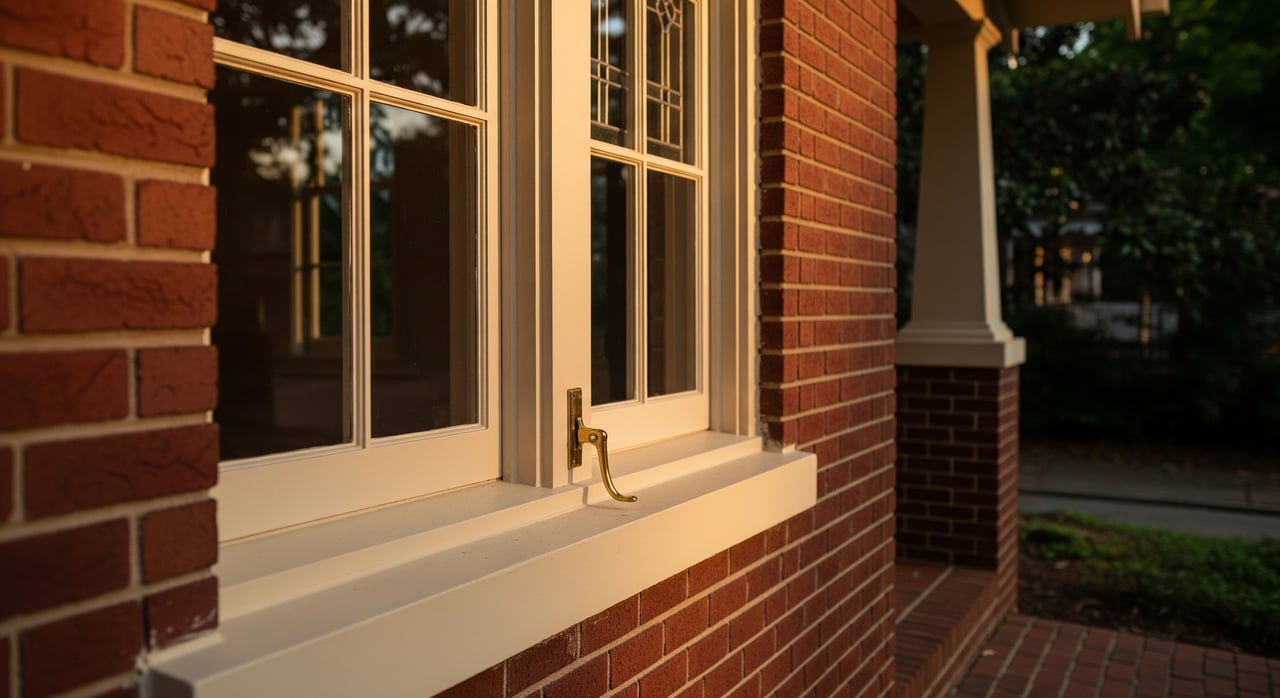
Restore or Replace? Windows in Virginia-Highland Homes
October 16, 2025
October 16, 2025
Thinking about your Virginia-Highland windows and not sure whether to restore or replace? You are not alone. In a neighborhood known for early 20th-century charm, windows carry real weight for comfort, curb appeal, and resale. In this guide, you will learn how to assess your windows, what upgrades deliver the best value in VaHi, and how to avoid costly missteps. Let’s dive in.
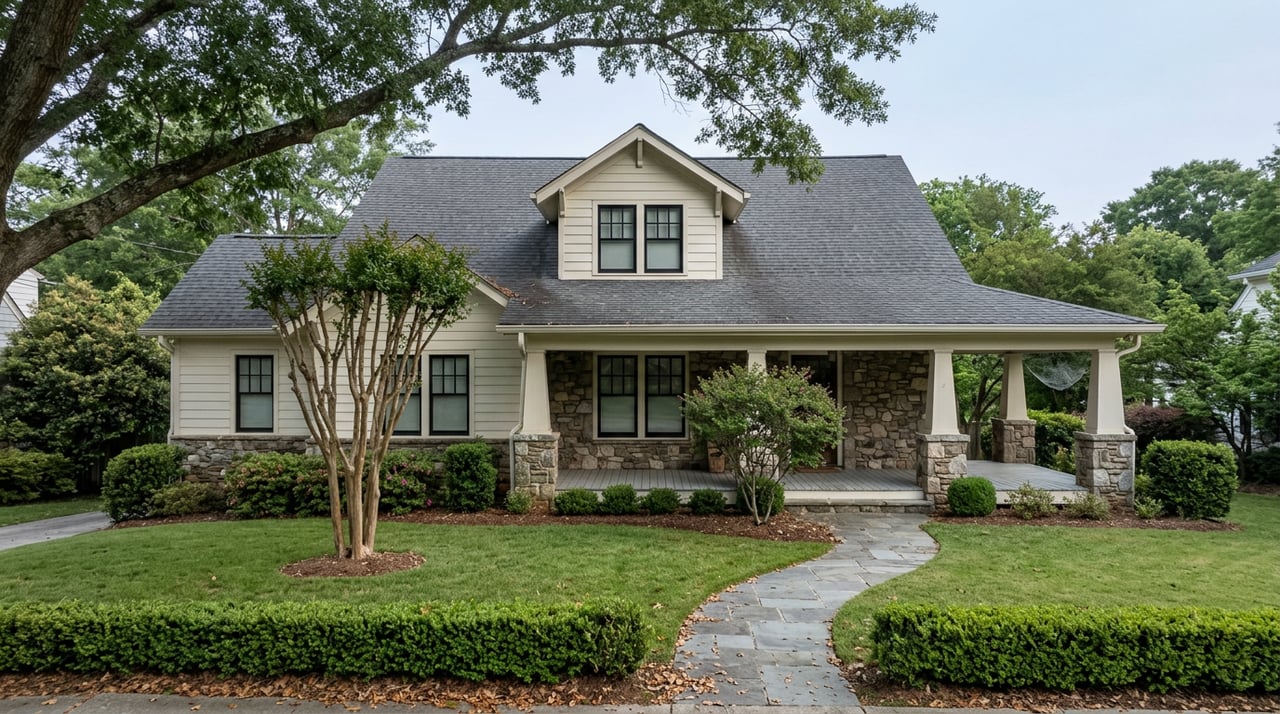
Virginia-Highland is listed on the National Register of Historic Places, and many homes feature original multi-light wood sash that define the look of the street. That listing is honorific, so it does not automatically regulate changes, but local overlays and design review can. Some nearby areas have added protections, and community groups are active in preservation. Start by knowing your context and buyer expectations. Learn more about the neighborhood’s historic status.
If your home falls under a local historic district or similar designation, exterior window changes may need review and approval. The City of Atlanta maintains lists of designated districts, and the Urban Design Commission handles reviews. Check your property’s status before ordering. See the City of Atlanta historic districts list.
In many VaHi homes, restoration plus storm windows delivers much of the comfort and efficiency you want at a lower cost, while preserving original character. ENERGY STAR notes that certified storm windows can save about 10 to 20 percent on annual heating and cooling in typical homes with single-pane glass. Full replacement is the right call when frames are beyond repair or code and safety needs demand it. The choice hinges on condition, energy goals, aesthetics, and budget.
If your sash and frames are mostly sound, you can often fix drafts and sticky operation with targeted repairs. Common steps include scraping and painting, new glazing putty, reglazing broken panes, new sash cords or balances, hardware tune-ups, and weatherstripping. The National Park Service outlines low-impact techniques that keep historic materials in place. See NPS guidance on repairing historic windows.
Localized rot does not always mean replacement. Pros can consolidate wood with epoxy and splice in new sections of sill or sash to match the original profile. This preserves sightlines and authentic details that VaHi buyers notice. NPS briefs describe these methods in detail for historic wood windows.
Storm windows are a high-value upgrade if you have single-pane glass. ENERGY STAR reports certified storm windows can reduce heating and cooling use by roughly 10 to 20 percent, with national average savings around 350 dollars per year in some scenarios. They also keep your original sash visible and protected. Interior secondary glazing panels can add comfort without changing the exterior. Explore ENERGY STAR’s storm window guidance.
Consider replacement if you see severe frame rot, structural failure, sagging or out-of-square openings, or widespread inoperable sashes. Replacement can also be required for egress or safety code, or when you want a single fix for noise, air leakage, and maintenance concerns.
For front elevations, like-for-like wood or clad wood with true divided lights most closely match historic profiles. Simulated grilles vary in quality, so review samples carefully. Vinyl or fiberglass can be practical on secondary elevations when aesthetics are less critical, but confirm sightlines and proportions against your originals before you commit.
Atlanta sits in Climate Zone 3A, which is warm and humid. Look for glazing with a low U-factor and a solar heat gain coefficient tuned to south and west exposures to cut summer load. Low-e coatings and argon gas fills improve comfort. Replacing single-pane windows with ENERGY STAR certified units can reduce household energy use by up to about 12 to 13 percent on average, depending on your home. Review ENERGY STAR guidance for residential windows and note Atlanta’s Zone 3A climate context.
In Virginia-Highland, windows are a visible sign of care. Repaired original sash with smooth operation and crisp glazing reads as quality. Poorly matched replacements can undercut your facade and price. When replacements make sense, focus on front-facing authenticity and back-of-house practicality. Document your choices and performance so buyers can feel the benefits.
Rules can vary by parcel. Local design review, where it applies, may require approval for exterior window changes. NRHP listing alone does not trigger permits, but standard building permits and inspections still apply. Confirm your status with the City of Atlanta or neighborhood contacts before you sign a contract.
Your decision can protect curb appeal, boost comfort, and support value. If you want a second set of eyes on how restoration, storms, or replacement will play with your price and timeline, let’s connect. Reach out to Catherine Newsome for a tailored plan that aligns with your home’s character and your goals.
November 19, 2026

November 12, 2026
November 5, 2026
October 29, 2026
October 22, 2026
October 15, 2026
October 8, 2026
October 1, 2026
September 24, 2026
Whether you're buying or selling, Catherine Newsome is committed to guiding you through every step of the real estate process with integrity, passion, and personalized service. Let her help you find your dream home or sell your property for the best price—your goals are her priority!