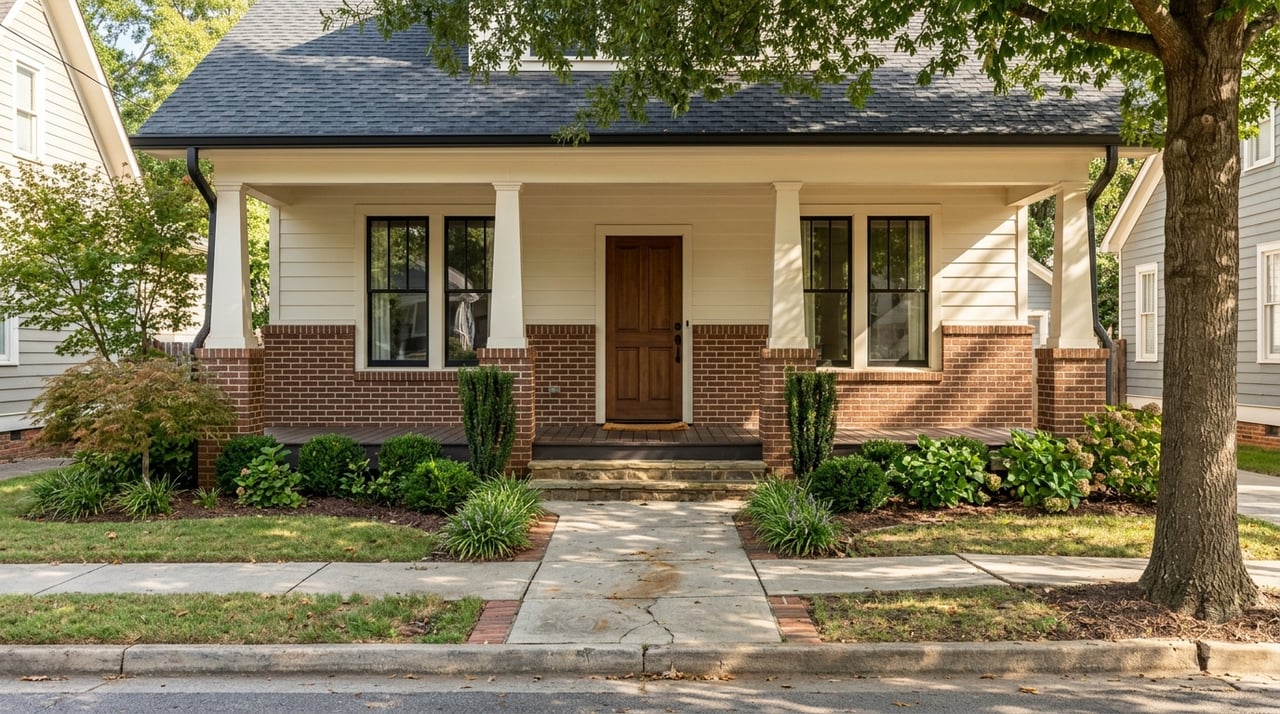
Right-Sizing From Suburbs To Virginia-Highland
June 18, 2026
June 18, 2026
Thinking about leaving suburban square footage behind can feel equal parts exciting and unsettling. You may be ready for a more walkable, intown lifestyle, but you also want a clear picture of what daily life in Virginia-Highland actually looks like before you make a move. This guide will help you understand the tradeoffs, the housing stock, and the practical details that matter when you right-size from the suburbs to 30306. Let’s dive in.
Virginia-Highland is not a modern subdivision built around large lots, wide driveways, and newer floor plans. It is an early-20th-century Atlanta neighborhood and a National Register historic district, with roughly 1,676 contributing buildings across about 612 acres. That history shapes how the neighborhood looks, feels, and functions today.
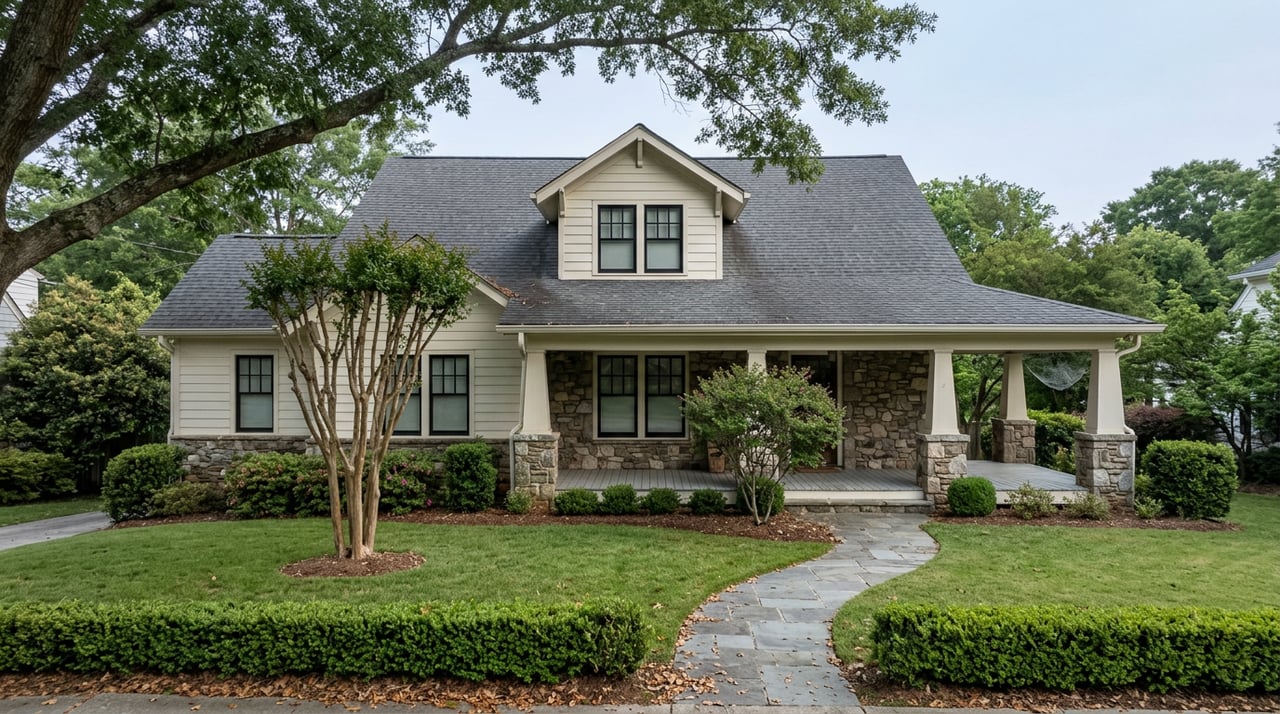
You will notice that difference right away in the streetscape. The neighborhood is known for bungalows, cottages, and Foursquare houses, many built from about 1905 through 1936. Instead of oversized homesites, Virginia-Highland offers a more compact, established pattern that reflects its roots as a streetcar suburb.
In Virginia-Highland, right-sizing often means trading private space for proximity. The City of Atlanta describes the Virginia Highland District as a 1.4-mile stretch of North Highland Avenue with restaurants, shops, fitness, wellness services, and a tree-lined commercial corridor. For many buyers, that is the appeal.
If you are moving from the suburbs, this usually means you may give up some yard space, extra storage, or a three-car garage. In return, you gain easier access to neighborhood businesses, parks, dining, and a more block-by-block daily routine. That is a meaningful shift, and it helps to go in with the right expectations.
One of the biggest adjustments is lot size. Virginia-Highland has long been described by its neighborhood association as an area with valuable land and small lots, and many of those original lot patterns still define the neighborhood today. That means the home-to-lot relationship is often very different from what you may be used to in newer suburban communities.
The housing mix also reflects a different era of design. Common home forms include Craftsman bungalows, American Foursquares, English Vernacular Revival cottages, side-gabled cottages, and garden-style apartments. These homes often offer character and location, but they may not deliver the same expansive layouts, oversized closets, or open-concept flow you would expect in newer construction.
For many buyers, the payoff is in how you live day to day. Virginia-Highland residents are within walking distance of shopping, dining, nightlife, neighborhood parks, Piedmont Park, and the BeltLine, according to neighborhood association materials. The area also hosts recurring events like Porchfest and Winterfest, which add to the neighborhood rhythm.
That does not mean every block lives the same way, but it does mean your routine may become less car-dependent and more local. A quick coffee run, dinner out, or walk to nearby amenities can become part of your normal week. For some households, that lifestyle shift matters more than extra square footage ever did.
Parking is one of the most important practical issues to think through before you move. Many Virginia-Highland homes do not have driveways, or they have driveways that cannot easily handle multiple vehicles. On many streets, on-street parking plays a major role in daily life.
The City of Atlanta includes Virginia Highland in its residential permit parking program. Under the city’s rules, a single-family dwelling unit in a residential permit parking area may receive two permits per valid street address, and the annual residential permit costs $20. If you are used to generous driveway space, this is a detail worth understanding early.
Before buying, it helps to look closely at how a specific property handles cars and access. A charming house can feel very different in practice depending on the street setup.
In a neighborhood like Virginia-Highland, alleyways can be more important than buyers expect. Neighborhood planning materials note that many alleys have been absorbed into back yards over time. They also note that alley share can matter in building-permit calculations.
That may sound technical, but it has real value during your home search. If you are considering a home with rear parking, a detached garage, or future exterior changes, access details can affect both convenience and planning. In an older intown neighborhood, these small site details often matter more than they would in the suburbs.
If your right-sizing plan includes buying a smaller home and renovating it, take a careful, property-specific approach. Virginia-Highland is listed in the National Register, but local preservation review depends on the exact property. The City of Atlanta advises owners to use the city’s GIS and property information tools to determine whether a home is in a Historic District or Landmark District, then review the applicable rules in Chapter 20 of the city code.
Some exterior work may require a Certificate of Appropriateness, and in some cases Urban Design Commission review. In practical terms, that means your renovation path may be shaped by historic compatibility standards rather than by how much square footage you can add.
In suburban areas, homeowners often think in terms of expansion. In Virginia-Highland, the conversation is usually more about compatibility with the existing home and streetscape. Neighborhood renovation guidance focuses on foundations, materials, doors, windows, roofs, additions, setbacks, massing, scale, landscape strips, sidewalks, walkways, fences, retaining walls, and streetscapes.
That does not mean change is off the table. It means thoughtful planning matters, especially if you are drawn to the neighborhood for its architecture and historic character in the first place.
Right-sizing is not just about moving into a smaller home. It is about choosing a different pattern of living. Virginia-Highland may be a strong fit if you value character, walkability, nearby amenities, and established streets over bigger lots and newer layouts.
It may be less ideal if your household depends on abundant parking, extensive storage, or a home designed around large private outdoor space. Neither option is better in the abstract. The goal is to match your next home to the way you actually want to live.
If you are considering a move from the suburbs to Virginia-Highland, start with the practical questions before you fall in love with the charm. Look closely at lot size, parking, storage, access, and whether the property may be subject to local preservation review. Those details shape your long-term experience more than listing photos ever will.
This is also where strong local guidance can make a real difference. A thoughtful buying strategy helps you weigh not just the beauty of a house, but how well it supports your routine, your future plans, and your definition of right-sized living.
If you are exploring a move to Virginia-Highland or preparing to sell a suburban home before your next chapter, Catherine Newsome can help you evaluate the tradeoffs, refine your strategy, and move forward with confidence.
November 19, 2026

November 12, 2026
November 5, 2026
October 29, 2026
October 22, 2026
October 15, 2026
October 8, 2026
October 1, 2026
September 24, 2026
Whether you're buying or selling, Catherine Newsome is committed to guiding you through every step of the real estate process with integrity, passion, and personalized service. Let her help you find your dream home or sell your property for the best price—your goals are her priority!