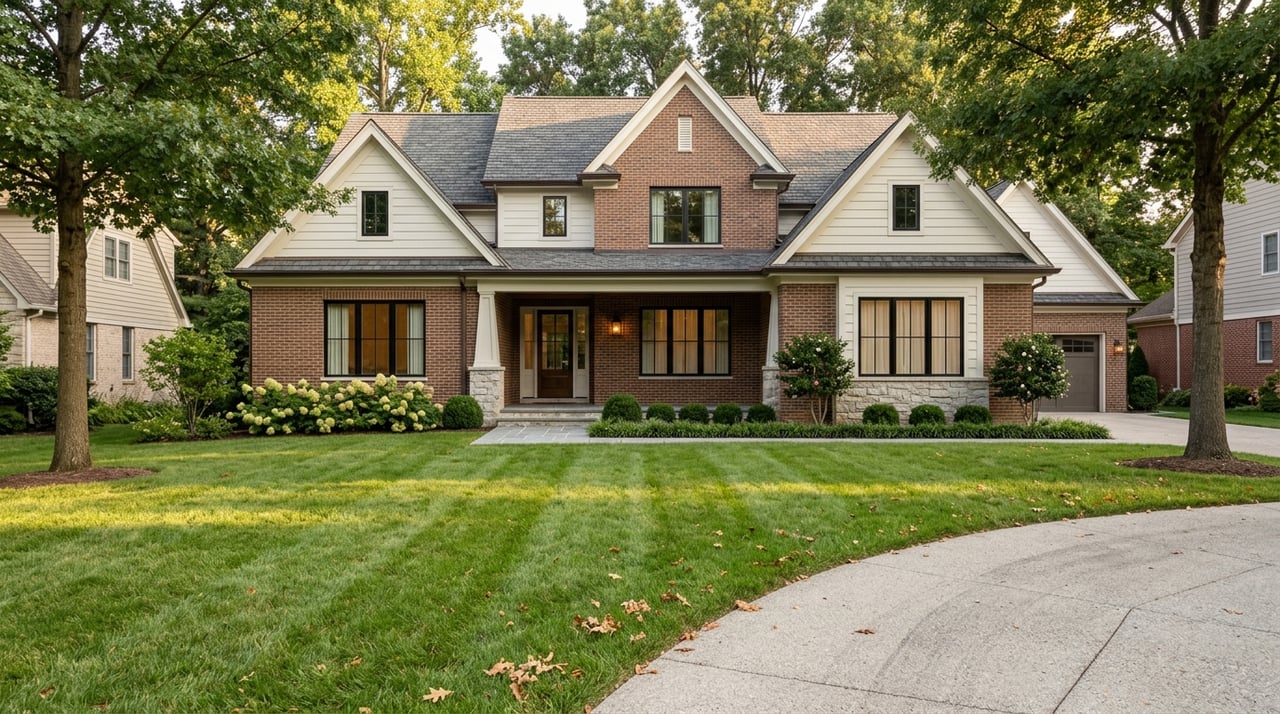
Upsizing To An East Cobb Home From Intown Atlanta
July 2, 2026
July 2, 2026
Thinking about trading your intown Atlanta address for more space in East Cobb? That move can be exciting, but it also comes with real tradeoffs. If you are hoping for a bigger home, more yard, and a different day-to-day rhythm, this guide will help you compare price, commute, housing style, and timing so you can make the move with clarity. Let’s dive in.
For many buyers, East Cobb represents a classic move-up market. You are often swapping some of intown Atlanta’s walkability and rail access for a detached home, more parking, and a more suburban setup.
That shift can be a great fit if your current home feels tight or your lifestyle now calls for more square footage. In practical terms, East Cobb often offers a more lot-forward housing pattern and a broader selection of single-family homes than many intown Atlanta areas.
If you are upsizing, price is one of the first things to understand. Over the three months ending May 2026, Redfin reported a median sale price of $532,321 in East Cobb, compared with $429,238 in Atlanta.
That does not automatically mean East Cobb is overpriced. It means you are usually shopping in a higher move-up band, often for a detached home with more space.
Another useful data point is price per square foot. Redfin reported East Cobb at $215 per square foot and Atlanta at $283 per square foot, although those numbers reflect different housing mixes and should not be treated as a perfect one-to-one comparison.
East Cobb is not a one-style market. The housing stock includes ranch-style homes, split-level homes, Colonial Revival, Cape Cod, New Traditional homes, custom estates, and some 1970s and 1980s contemporary properties.
That variety matters when you are upsizing. In one neighborhood, you may find an older home with strong bones and renovation potential. In another, you may find a newer or rebuilt home with a higher price point but less immediate work.
If you are moving from intown Atlanta, this often creates a different kind of decision. Instead of choosing between condo, townhome, and detached house, you may be comparing lot layout, privacy, age of home, and how much updating you want to take on.
One of the most useful ways to think about East Cobb is this: do you want a home you can personalize over time, or do you want a more turnkey option from day one?
Older homes can offer renovation upside and established surroundings. Newer or rebuilt homes may give you updated layouts and finishes, but often at a higher entry price.
Because East Cobb varies block by block, it helps to stay focused on your real priorities. If you want a larger backyard, extra bedrooms, a dedicated office, or a three-car garage, those goals should guide your search more than broad assumptions about the area.
The biggest lifestyle adjustment for many buyers is transportation. Intown Atlanta is shaped by MARTA’s dense rail and bus network, while Cobb County is more highway-oriented in how most people move through the day.
That does not mean East Cobb has no commuter options. Cobb County notes a road-and-transit network, and Route 484 offers direct Midtown trips from Hickory Grove and Town Center during peak periods with 30-minute frequency.
Still, most households moving to East Cobb should expect a driving-first routine. Your schedule may depend more on highway traffic, park-and-ride planning, and timing your day carefully than on spontaneous rail access.
A map can make East Cobb feel close to intown Atlanta, but daily experience can feel very different. The smartest move is to test the actual route during the hours you would really drive.
That includes morning departure time, after-work traffic, and any regular stops that shape your routine. Even a short change in mileage can feel bigger once congestion and fixed schedules are part of the picture.
If you plan to sell in Atlanta and buy in East Cobb, timing matters. The good news is that neither market is moving with the frenzy of the peak pandemic years, but well-priced homes are still selling.
In East Cobb, Redfin shows homes selling in about 31 days on average, with about 3 offers on average and a 98.8% sale-to-list ratio. In Atlanta, homes sold in about 54 days on average with a 97.9% sale-to-list ratio.
That tells you something important. East Cobb can still move relatively quickly when a home is priced well, even while Atlanta offers more overall inventory and a slower pace in many areas.
If your intown home takes longer to sell than your East Cobb target takes to go under contract, the process can get stressful fast. That is why upsizing works best when your sale timing, financing, and search strategy are aligned from the start.
A clean plan can help you avoid making rushed decisions. It can also give you a clearer sense of when to list, when to start touring seriously, and how much flexibility you need in negotiations.
Many buyers assume that a higher-priced East Cobb home must come with a higher tax bill than an intown Atlanta property. That is not always true.
Georgia assesses property at 40% of fair market value. Using the published 2025 county-only rate for unincorporated Cobb of 30.13 mills, and the current listed rates for the City of Atlanta, Fulton County, and Atlanta Public Schools, a simple example on a $500,000 home value comes out to about $6,026 per year in East Cobb versus about $8,148 per year in intown Atlanta before exemptions.
That is a difference of roughly $2,122 per year in Atlanta on that example. In other words, a higher list price in East Cobb does not automatically mean a higher property tax bill.
Taxes are highly address-specific. Final bills depend on district boundaries, exemptions, and the parcel itself.
That is why broad averages only go so far. If you are comparing two homes, the best move is to review the tax picture for each specific property before you make a decision.
Purchase price is only part of the affordability conversation. Financing still has a major impact on what upsizing feels like month to month.
Freddie Mac reported an average 30-year fixed rate of 6.49% on June 25, 2026. With 20% down, principal and interest on East Cobb’s median sale price of about $532,321 is about $2,689 per month, compared with about $2,168 per month for Atlanta’s median of about $429,238.
That is roughly a $521 monthly difference before taxes, insurance, and other ownership costs. So while East Cobb may offer more space, it is important to weigh that against your full monthly budget.
The most successful moves usually start with a realistic framework, not just a wish list. You want to know how your current home may perform, what your next monthly payment could look like, and how your commute might change.
A strong plan often includes:
When those pieces come together early, you can shop with more confidence and avoid emotional decisions.
Upsizing from intown Atlanta to East Cobb is not just about buying more square footage. It is about balancing lifestyle, cost, timing, and long-term fit.
That is where experienced guidance can make a difference. A thoughtful advisor can help you compare address-specific costs, weigh renovation versus turnkey options, and build a plan that supports both your sale and your purchase.
If you are considering a move from intown Atlanta to East Cobb, Catherine Newsome can help you evaluate your options with a clear, data-driven strategy tailored to your goals.

November 19, 2026

November 12, 2026

November 5, 2026

October 29, 2026
October 22, 2026
October 15, 2026
October 8, 2026
October 1, 2026
September 24, 2026
Whether you're buying or selling, Catherine Newsome is committed to guiding you through every step of the real estate process with integrity, passion, and personalized service. Let her help you find your dream home or sell your property for the best price—your goals are her priority!